Conserved Water in Human Disease
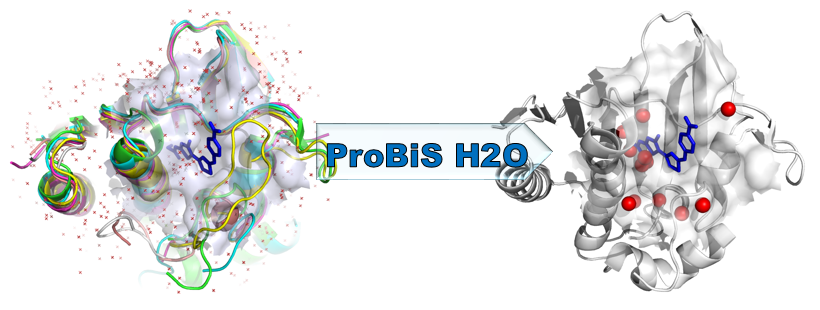
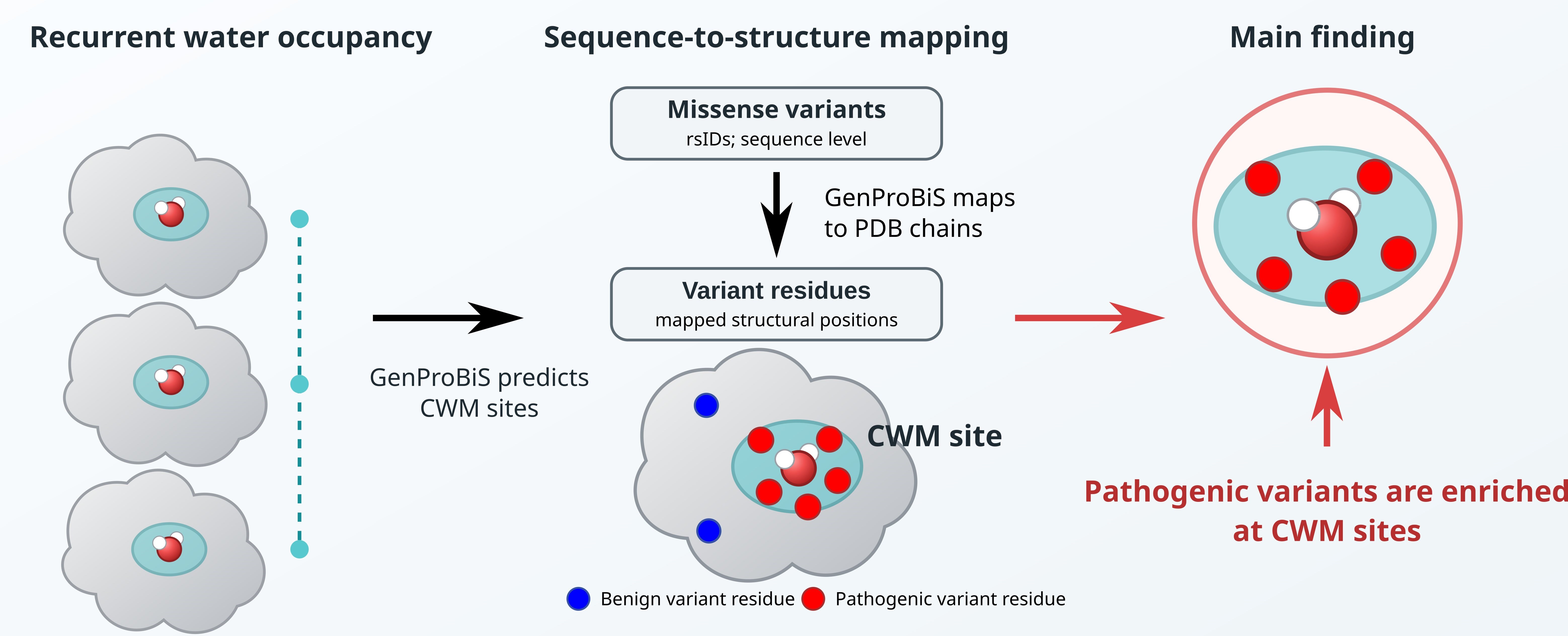
Pathogenic missense variants are strongly enriched at conserved water sites. Molecular dynamics shows how disruption of a single conserved water can trigger disease-associated structural changes in GCase.
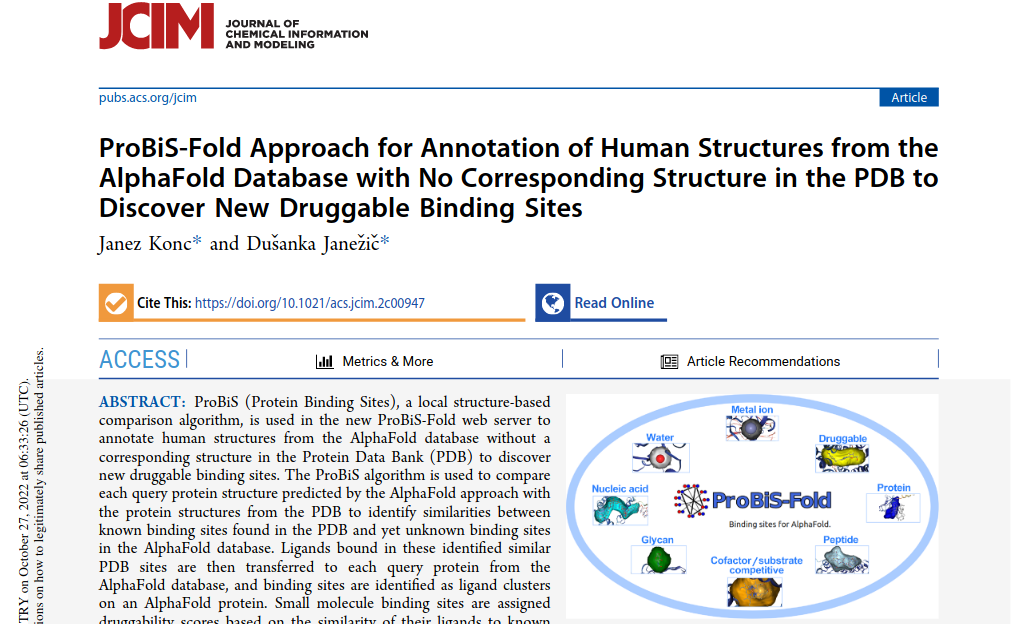
Interactive and downloadable predicted binding sites across the human structural proteome, including AlphaFold models and thousands of potentially druggable sites without corresponding PDB structures.
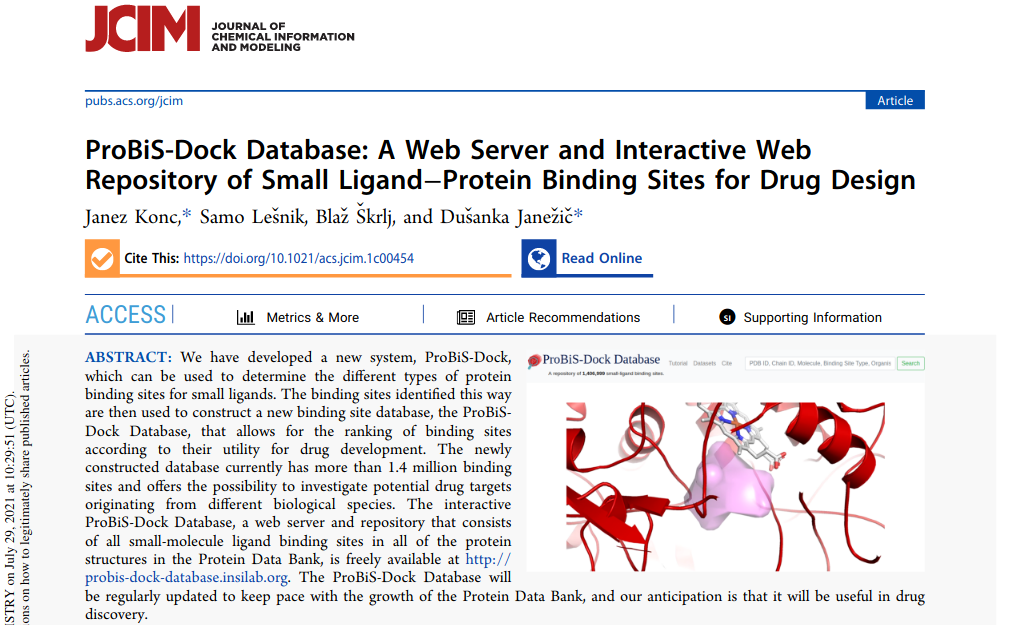
More than 1.4 million binding sites that can be explored and ranked for their potential utility in drug development across proteins from different species.
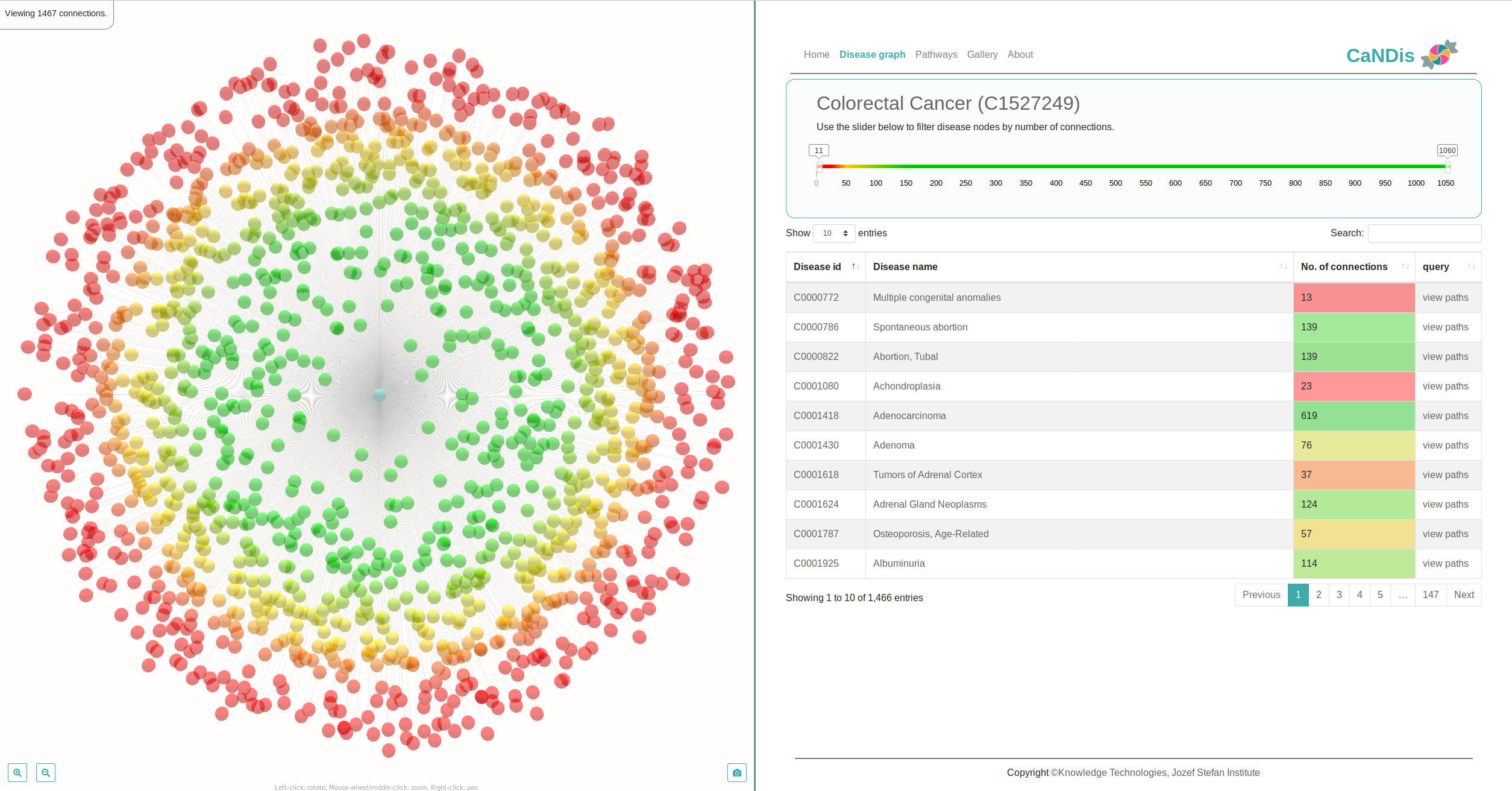
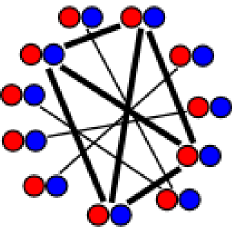
Explore a human causal interaction network enriched with disease and FDA-approved drug data to study disease co-occurrence, candidate genes, and drug–drug interactions.
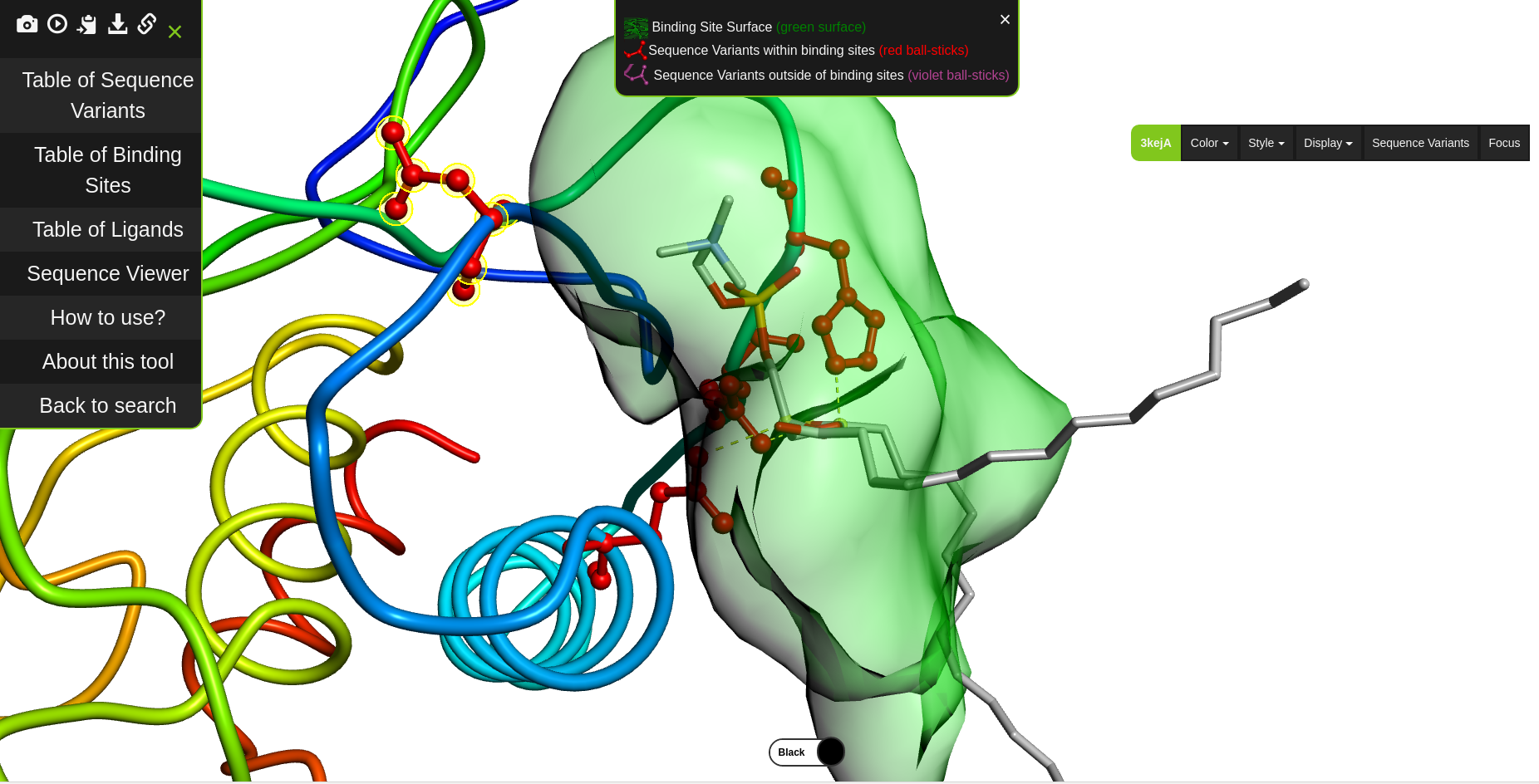
Map sequence variants onto PDB protein structures enriched with predicted protein, nucleic-acid, compound, and metal-ion binding sites and explore them interactively in 3D.
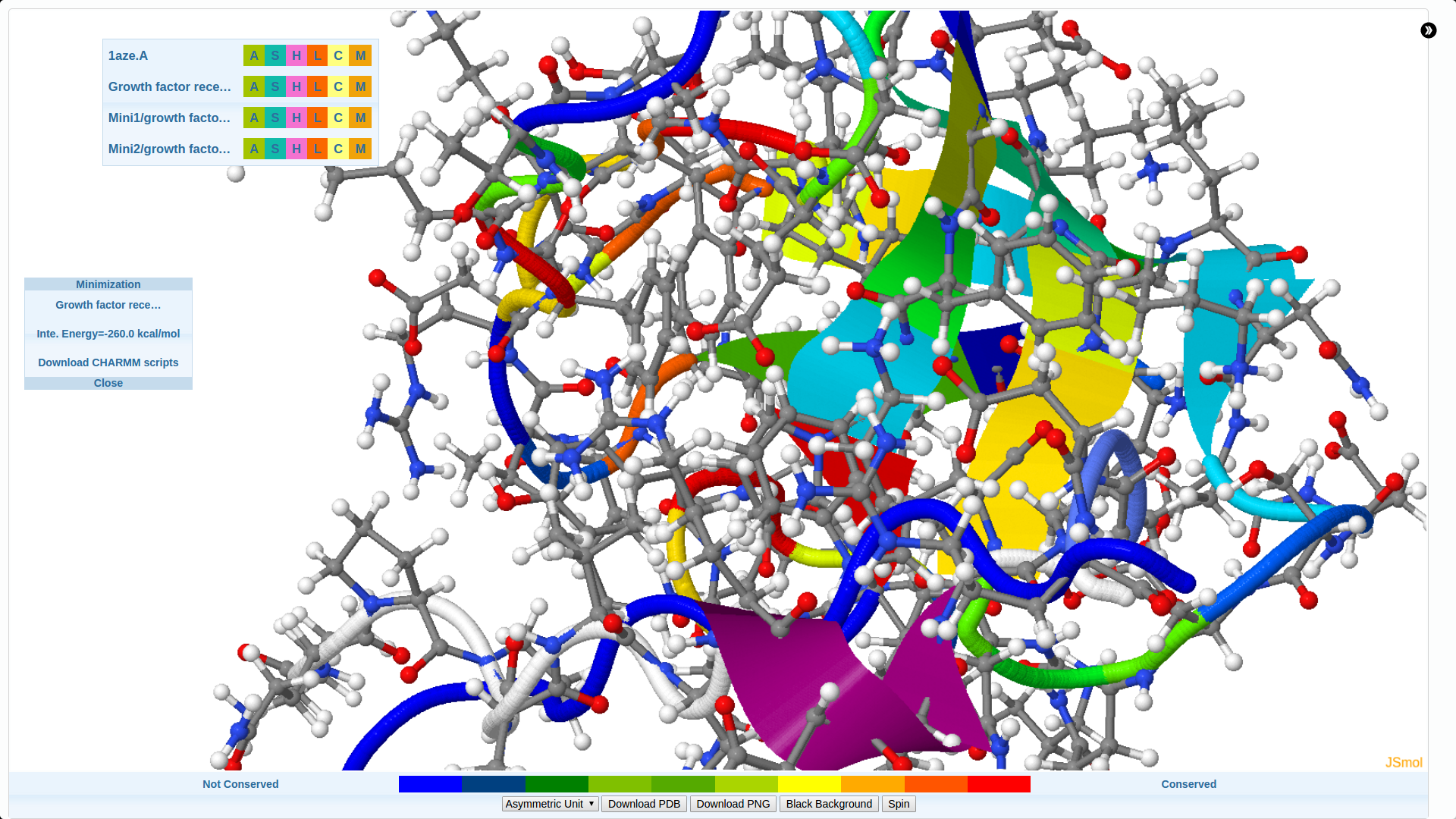
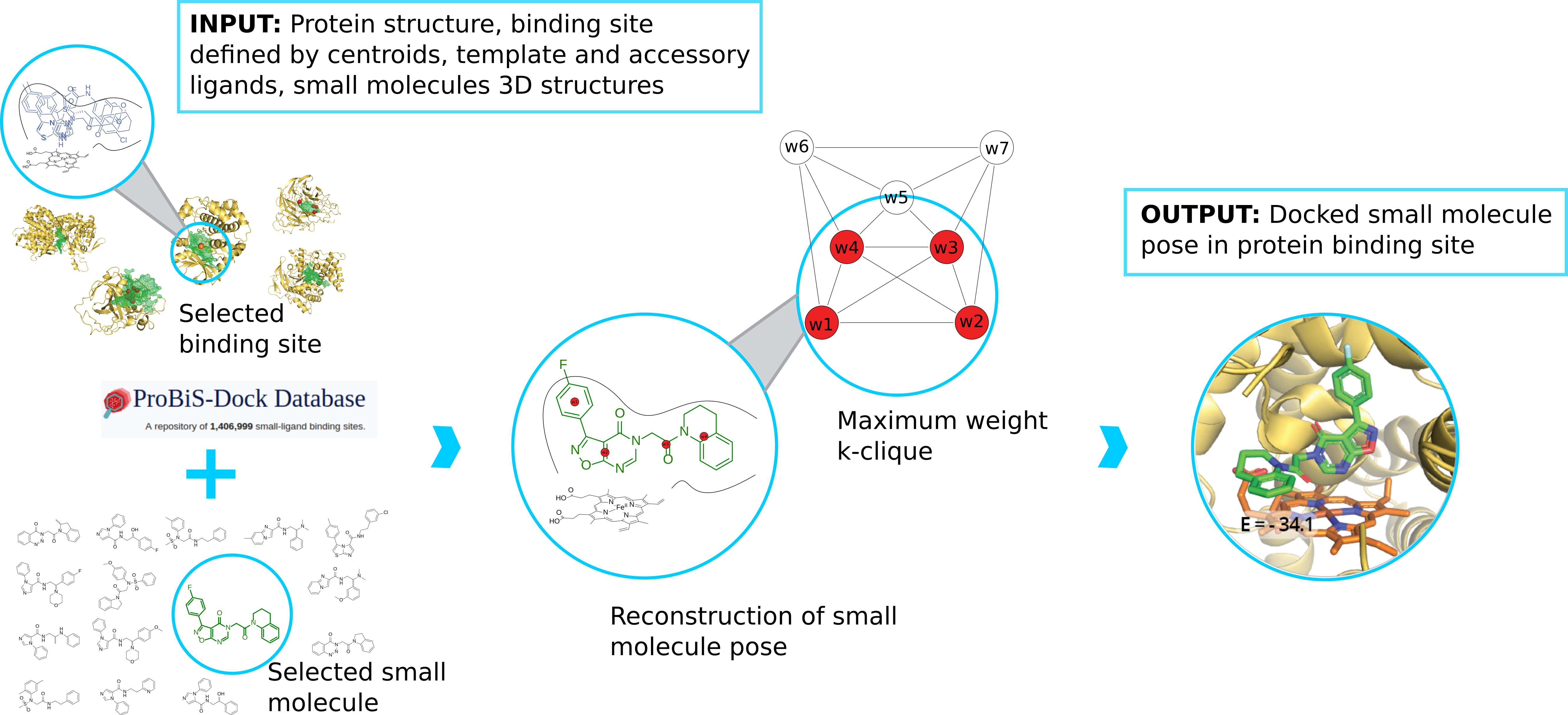
Predict and optimize ligands on protein structures with CHARMM, calculate interaction energies, and prepare inputs for minimization and molecular-dynamics simulations.
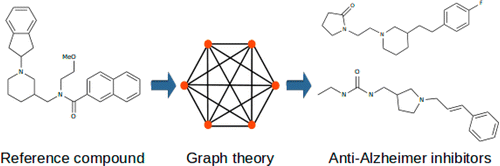
Our work spans fundamental graph algorithms and computational methods directly applicable to structural biology, pharmacy and drug discovery.
Insilab was created as a repository for open-source software developed by our group over the years. We continuously develop ProBiS-based approaches for the prediction and comparison of protein binding sites and protein–ligand interactions.
Our methods detect structurally similar binding sites by comparing local physicochemical properties of protein surfaces independently of global sequence or fold. Protein structures are represented as graphs, enabling efficient local structural comparison, binding-site prediction and ligand transposition across PDB structures.
We focus on pharmaceutically relevant proteins and collaborate with experimental laboratories and pharmaceutical partners. Our goal is to use robust in silico methods to prioritize experiments, tackle difficult computational problems and build useful scientific software.